The evolution of the Reggio Emilia Approach
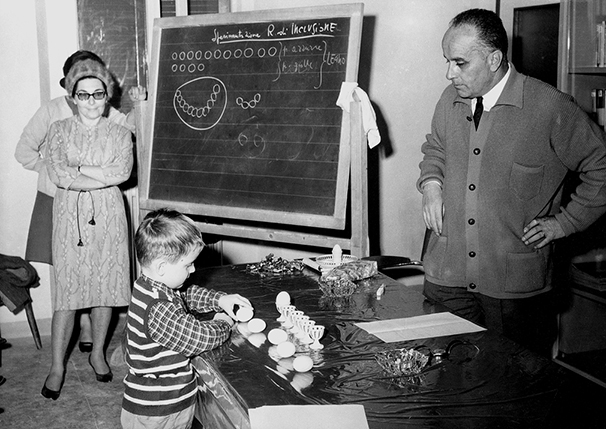
The Reggio Emilia Approach to early childhood education began in Reggio Emilia, Italy, after World War II. It was inspired by philosopher Loris Malaguzzi and parents seeking a new way of educating their children. The Approach values collaboration, creativity, and critical thinking, emphasising children’s potential and active participation. This Approach has gained global recognition and is implemented in many countries, evolving to suit different contexts.
Educational experience in Reggio Emilia has its origins in the late nineteenth century. Women played a fundamental role in this history.
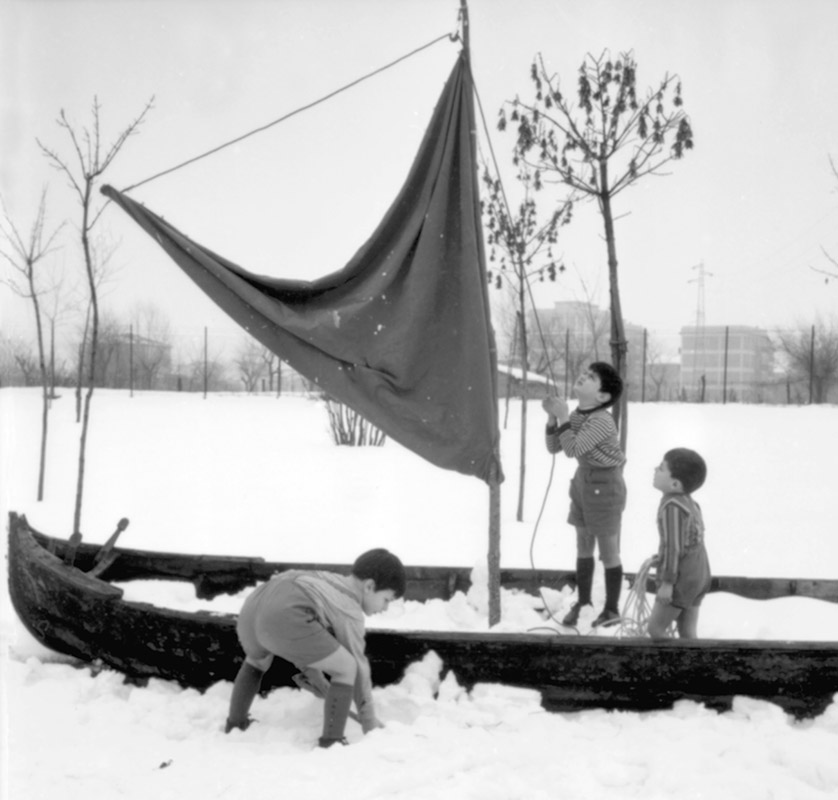
The first municipal preschool is founded.
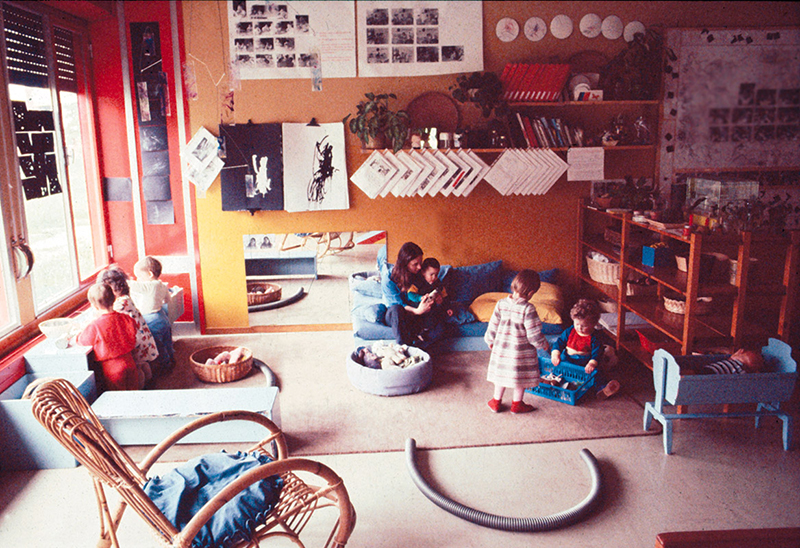
The first infant-toddler centre is founded.

The Hundred Languages of Children exhibition.
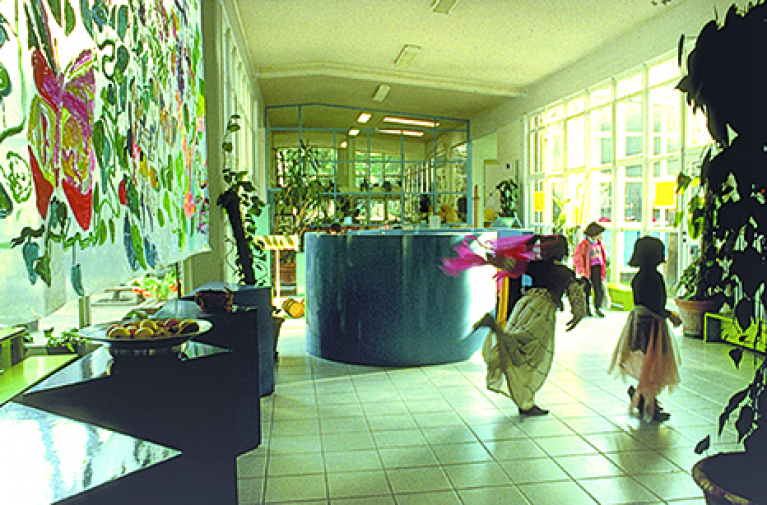
Newsweek recognition.
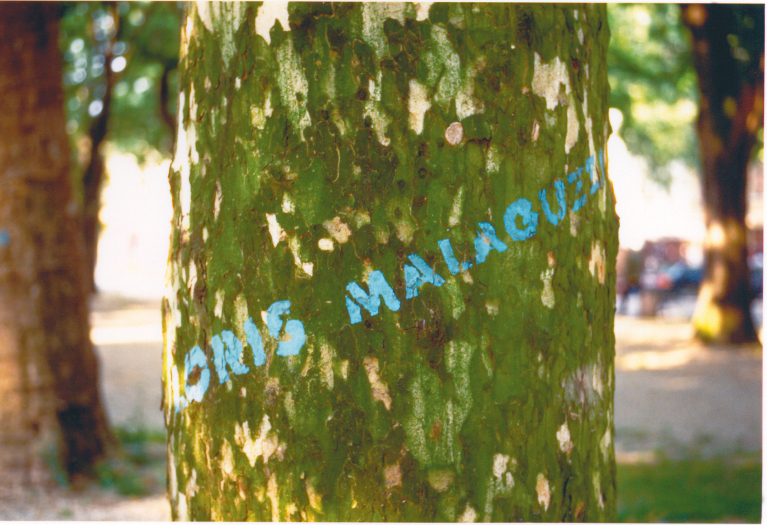
Reggio Children is founded.
The Istituzione of Preschools and Infant-toddler centres of Reggio Emilia Municipality is founded.
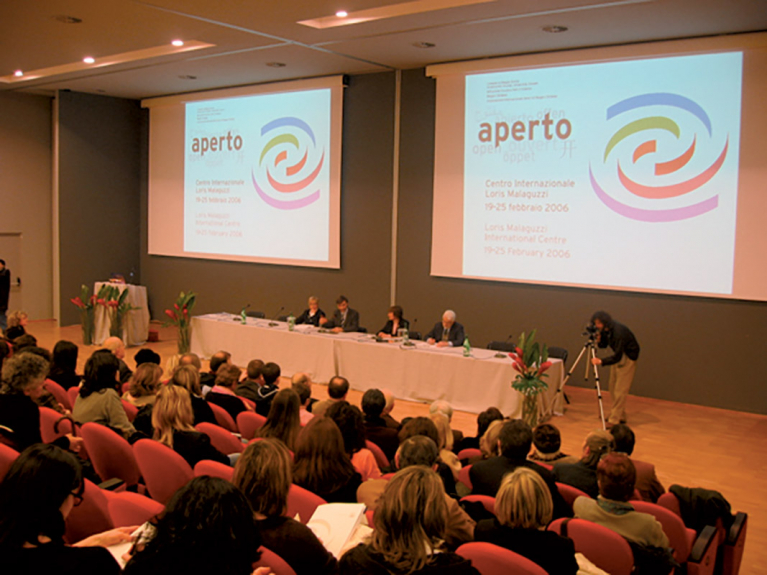
Inauguration of the Loris Malaguzzi International Centre.

The Fondazione Reggio Children – Centro Loris Malaguzzi is founded.
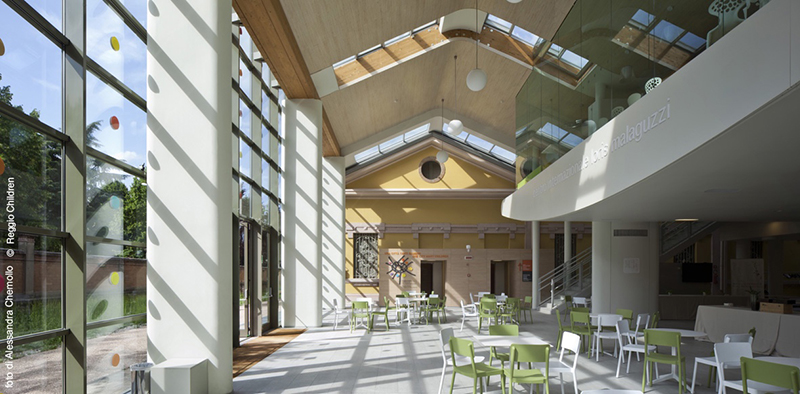
Completion of the Loris Malaguzzi International Centre.